
Table of Contents
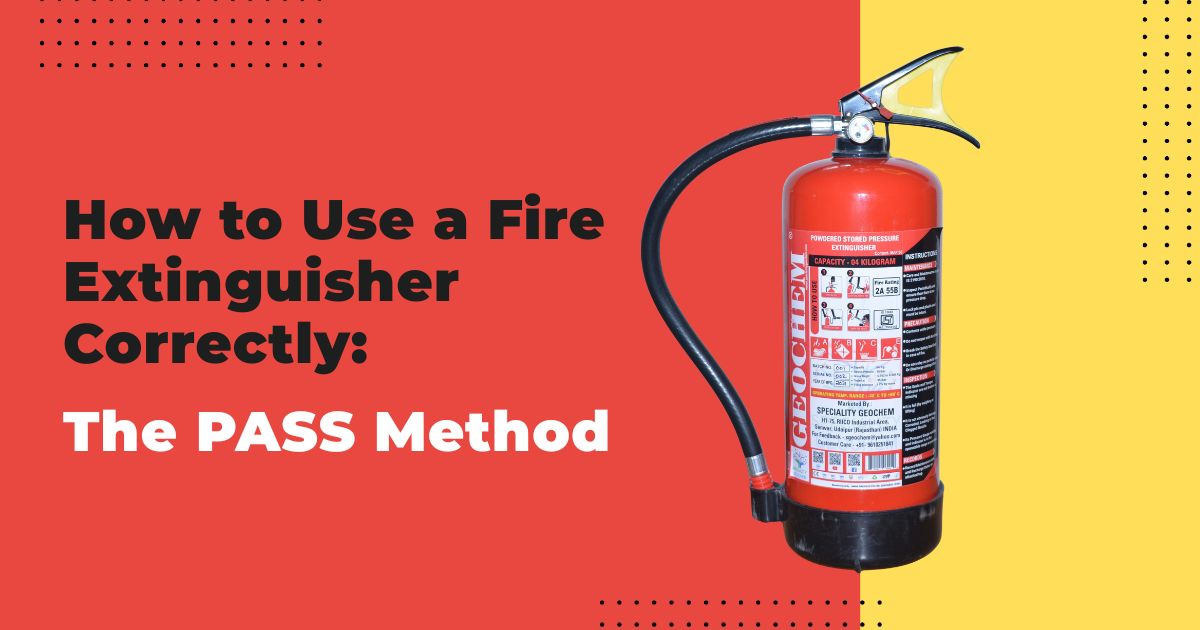
ToggleHow to Use a Fire Extinguisher Correctly: The PASS Method
Fire emergencies can happen anywhere—homes, offices, factories, kitchens, or public spaces—and often without warning. In such situations, a fire extinguisher becomes the first and most important line of defense. However, simply having a fire extinguisher is not enough. Knowing how to use a fire extinguisher correctly can make the difference between controlling a small fire and facing a major disaster.
One of the most widely recommended and easy-to-remember techniques for using a fire extinguisher is the PASS Method. This blog will guide you through the importance of fire extinguishers, when to use them, and how to use them correctly using the PASS method.
Why Knowing How to Use a Fire Extinguisher Matters
Fire spreads rapidly. Within seconds, a small flame can grow uncontrollable if not addressed immediately. Fire extinguishers are designed to control small, early-stage fires, giving occupants time to escape safely and reducing property damage.
However, improper use of a fire extinguisher cylinder can:
-
Waste valuable time
-
Increase the risk of injury
-
Make the fire worse
-
Create panic during emergencies
This is why fire safety training and understanding the PASS method are essential for everyone.
When Should You Use a Fire Extinguisher?
Before attempting to use a fire extinguisher, ensure:
-
The fire is small and contained
-
You have a clear escape route behind you
-
The fire department has been notified
-
You are using the correct type of fire extinguisher for the fire class
If the fire is spreading rapidly, producing heavy smoke, or blocking your exit, do not attempt to fight it. Evacuate immediately.
Understanding the PASS Method
The PASS Method is a simple four-step process that helps users remember the correct way to operate a fire extinguisher:
-
P – Pull
-
A – Aim
-
S – Squeeze
-
S – Sweep
Let’s break down each step in detail.
P – Pull the Pin
The first step is to pull the safety pin located at the top of the fire extinguisher.
This pin prevents accidental discharge and must be removed before use.
Tips:
-
Hold the extinguisher upright
-
Break the tamper seal if present
-
Keep the nozzle pointed away from your face
Pulling the pin unlocks the operating lever and prepares the extinguisher for use.
A – Aim at the Base of the Fire
Next, aim the nozzle or hose at the base of the fire, not at the flames.
Why is this important?
-
Flames are only a symptom
-
The base of the fire is the fuel source
-
Extinguishing the fuel stops the fire from continuing
Standing at a safe distance (usually 6–8 feet away), direct the extinguisher toward where the fire started.
S – Squeeze the Handle
Once aimed correctly, squeeze the handle slowly and evenly.
This releases the extinguishing agent. Avoid squeezing too hard or too quickly, as this can:
-
Reduce control
-
Waste the extinguishing material
-
Shorten discharge time
Most fire extinguishers operate for only 10–20 seconds, so controlled use is critical.
S – Sweep from Side to Side
Finally, sweep the nozzle from side to side at the base of the fire.
Continue sweeping until:
-
The fire appears to be completely out
-
The extinguisher is empty
After extinguishing the fire, watch the area carefully. Fires can reignite, especially if flammable materials are present.
Important Safety Tips While Using a Fire Extinguisher
To stay safe during a fire emergency, remember these key points:
-
Always keep your back toward an exit
-
Never turn your back on a fire
-
Do not inhale smoke or fumes
-
Stop immediately if the fire grows or spreads
-
Evacuate once the extinguisher is empty, even if the fire appears controlled
Types of Fire Extinguishers and Their Use
Different fires require different extinguishers:
-
Class A: Wood, paper, cloth
-
Class B: Flammable liquids like petrol and oil
-
Class C: Electrical equipment
-
Class D: Combustible metals
-
Class K: Cooking oils and fats
Using the wrong extinguisher can be dangerous. Always check the label and fire class rating before use. Multi-purpose ABC extinguishers are commonly used in homes and offices.
Maintenance and Readiness
A fire extinguisher is only effective if it is in working condition. Regular maintenance ensures reliability during emergencies.
Checklist:
-
Pressure gauge in the green zone
-
No visible damage or corrosion
-
Pin and seal intact
-
No blocked nozzle
-
Annual professional inspection
Fire extinguishers should be easily accessible and not hidden behind furniture or equipment.
Training Saves Lives
While the PASS method is simple, hands-on fire safety training significantly improves confidence and response time during emergencies. Workplaces, schools, and residential complexes should conduct regular fire drills and awareness sessions.
Preparedness reduces panic—and panic costs lives.
Conclusion
Knowing how to use a fire extinguisher correctly using the PASS method is a vital life skill. Fire extinguishers are designed to control small fires quickly, but their effectiveness depends entirely on proper use, correct selection, and regular maintenance. Whether at home or in the workplace, being prepared can prevent injuries, save lives, and minimize damage.
If you are looking to purchase high-quality, reliable fire extinguishers, you can buy them from AFS Fire Ball. Our fire extinguishers are ISI certified, ensuring compliance with Indian safety standards, and are manufactured by Speciality Geochem, a trusted name in fire safety solutions. Choosing certified products from a reliable manufacturer is a crucial step toward comprehensive fire protection.
Fire safety starts with awareness—and the right equipment makes all the difference.