
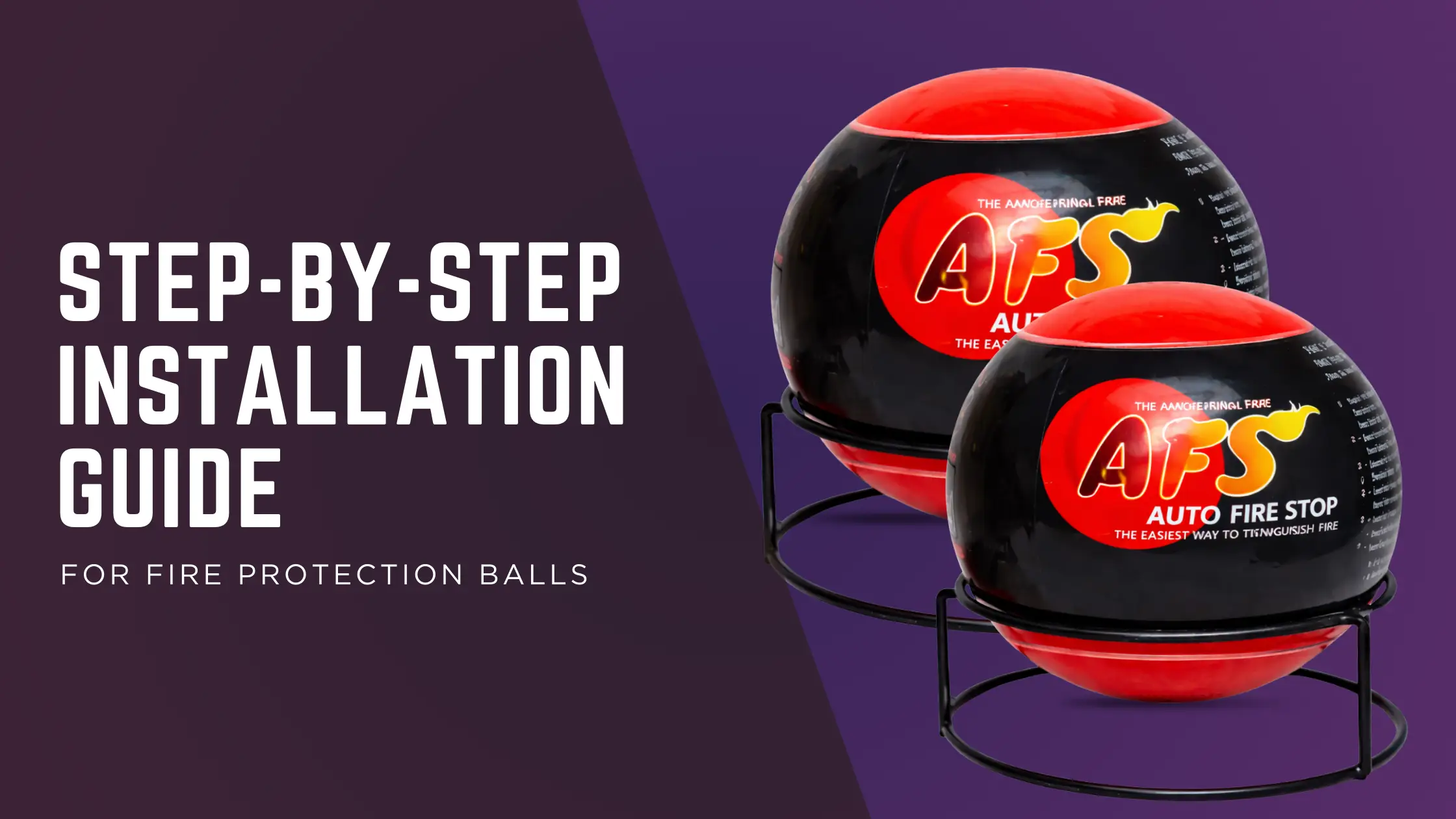
Complete Installation Guide for Fire Protection Balls: A Step-by-Step Safety Manual
Fire emergencies can escalate within seconds, turning minor incidents into major disasters. While traditional fire extinguishers and sprinkler systems remain important, modern safety innovations like fire protection balls are transforming how homes and businesses approach fire prevention. These compact, automatic fire suppression devices are designed to activate instantly when exposed to flames, helping control fires before they spread.
If you’re considering installing fire protection balls in your home, office, warehouse, or industrial facility, this comprehensive guide will walk you through everything you need to know — from understanding how they work to step-by-step installation and placement strategies for maximum effectiveness.
What Are Fire Protection Balls?
Fire protection balls are self-activating fire suppression devices filled with dry chemical extinguishing agents. When exposed to direct flames, the outer shell bursts and disperses fire-extinguishing powder across the affected area. This rapid deployment helps suppress fires in their early stages.
Unlike traditional extinguishers that require manual handling and proper training, fire protection balls operate automatically. They can either be:
-
Mounted in high-risk areas for automatic activation
-
Thrown into a fire during an emergency
Because of their simplicity and reliability, fire protection balls are increasingly used in residential properties, commercial buildings, manufacturing units, warehouses, and even vehicles.
Companies like , developed under the parent company Speciality Geochem, have helped bring greater awareness to this innovative fire safety solution across various industries. Their focus has been on designing user-friendly fire suppression systems that complement conventional fire protection methods without replacing them entirely.
Why Proper Installation Matters
While fire protection balls are easy to use, proper installation plays a critical role in ensuring optimal performance. Incorrect placement may delay activation or reduce the effectiveness of the extinguishing powder distribution.
Correct installation ensures:
-
Faster response to flames
-
Wider coverage area
-
Reduced fire spread
-
Improved overall safety compliance
The goal is simple: position the fire protection balls where a fire is most likely to begin and where flames can reach the device quickly.
Where Should You Install Fire Protection Balls?
Identifying high-risk areas is the first and most important step. Fires often originate in predictable locations. Installing fire protection balls in these zones significantly increases their effectiveness.
1. Kitchens
Cooking accidents are among the most common causes of household fires. Install fire protection balls near:
-
Gas stoves
-
LPG cylinders
-
Chimney ducts
-
Electrical cooking appliances
Mount them at a safe height where flames can reach them but away from direct heat exposure during normal cooking.
2. Electrical Panels and Switchboards
Electrical faults are a major cause of fires in commercial and residential buildings. Install fire protection balls:
-
Above main electrical panels
-
Inside distribution boards (if compatible)
-
Near server racks
These areas are ideal for automatic activation in case of electrical sparks or short circuits.
3. Warehouses and Storage Rooms
Storage areas often contain flammable materials such as cardboard, chemicals, textiles, or packaging materials. Fire protection balls can be mounted strategically along walls or above storage sections for broad coverage.
4. Offices and Commercial Buildings
In office spaces, install fire protection balls:
-
Near server rooms
-
In pantry areas
-
Around high-voltage equipment
They act as an added layer of security alongside fire alarms and extinguishers.
5. Vehicles and Machinery Areas
Engine compartments and industrial machines are prone to overheating. Compact fire protection balls can be installed in enclosed mechanical areas where traditional extinguishers are difficult to use quickly.
Tools and Materials Required for Installation
Installing fire protection balls does not require specialized expertise. You will need:
-
Fire protection ball with mounting bracket
-
Screws and wall anchors (usually provided)
-
Drill or manual screwdriver
-
Measuring tape
-
Pencil or marker
-
Ladder (if installing at height)
Always read the manufacturer’s instructions before beginning installation.
Step-by-Step Installation Guide for Fire Protection Balls
Step 1: Assess the Risk Area
Start by evaluating the space. Identify where fires are most likely to start and how flames would spread. Fire protection balls should be placed where they can detect flames quickly.
Consider:
-
Airflow patterns
-
Obstructions
-
Distance from flammable materials
Proper assessment ensures optimal positioning.
Step 2: Determine the Correct Mounting Height
Fire rises, but early activation is key. Ideally, fire protection balls should be installed approximately 1.5 to 2 meters above floor level. This allows flames to reach the device quickly without unnecessary delay.
Avoid placing them too close to ceilings in large spaces, as delayed exposure to flames may reduce effectiveness.
Step 3: Mark the Installation Point
Using a measuring tape and pencil:
-
Mark the exact location for bracket placement
-
Ensure it is centered and level
-
Double-check for hidden wiring or pipes before drilling
Accuracy at this stage prevents repositioning later.
Step 4: Install the Mounting Bracket
Position the bracket against the marked area and drill holes for screws. Insert wall anchors if needed. Then fasten the bracket securely by tightening the screws with a drill or screwdriver, ensuring it remains firm and stable against the wall surface.
The bracket must be sturdy enough to hold the fire protection ball without movement or vibration.
Step 5: Place the Fire Protection Ball
Once the bracket is secured:
-
Gently position the fire protection ball into the holder
-
Ensure it sits firmly and does not tilt
-
Confirm that it remains unobstructed
The activation surface should remain exposed to open air for immediate response.
Step 6: Maintain Clearance Space
For effective powder dispersion:
-
Keep at least 50 cm clearance around the ball
-
Avoid blocking it with shelves, curtains, or furniture
-
Do not install inside sealed compartments unless designed for enclosed use
Clear space ensures proper extinguishing coverage.
Installation Tips for Larger Facilities
In industrial or commercial settings, a single device may not be sufficient. For broader protection:
-
Install multiple fire protection balls at intervals of 3–5 meters
-
Focus on clustered risk zones
-
Combine with smoke detectors and alarm systems
Strategic placement enhances fire control efficiency.
How Fire Protection Balls Work After Installation
Once installed, fire protection balls remain passive until needed. Upon exposure to flames:
-
The outer shell reacts to heat.
-
The device bursts within seconds.
-
Dry chemical powder disperses across the fire source.
-
Flames are suppressed by interrupting the combustion process.
This rapid response reduces dependency on manual firefighting during panic situations.
Maintenance and Inspection Guidelines
One of the major advantages of fire protection balls is their low maintenance requirement. However, periodic checks are recommended.
Monthly Visual Inspection
-
Ensure the device remains securely mounted
-
Check for physical damage
-
Remove dust buildup
Annual Condition Check
-
Verify expiration dates (if applicable)
-
Replace any compromised units
Unlike traditional extinguishers, fire protection balls do not require pressure refills or servicing, making them cost-effective over time.
Common Installation Mistakes to Avoid
Even though installation is straightforward, certain mistakes can reduce effectiveness:
-
Installing too high on ceilings
-
Blocking the ball with decorations or storage
-
Placing near constant heat sources (not flame-based)
-
Failing to secure the bracket properly
Avoiding these errors ensures your fire protection balls function exactly as intended.
Integrating Fire Protection Balls into Your Safety Plan
Fire protection balls should not replace conventional fire safety equipment. Instead, they work best as part of a comprehensive safety strategy that includes:
-
Fire extinguishers
-
Smoke alarms
-
Emergency exits
-
Fire drills
-
Sprinkler systems
When layered together, these systems create multiple barriers against fire hazards.
Organizations focused on innovative fire suppression technologies, such as AFS Fireball, supported by Speciality Geochem, have consistently emphasized this integrated safety approach. Rather than positioning fire protection balls as a standalone solution, they are designed to complement existing fire safety infrastructure.
Benefits of Installing Fire Protection Balls
Installing fire protection balls provides several long-term advantages:
-
Immediate automatic activation
-
Reduced response time
-
Minimal human intervention
-
Lower maintenance costs
-
Simple installation process
-
Added peace of mind
For households with children or elderly residents, the automatic feature offers an extra layer of protection during emergencies.
Final Thoughts
Fire safety is about preparation, not reaction. By installing fire protection balls in high-risk areas, you create an automatic first line of defense against unexpected fire outbreaks. Their simple design, automatic activation, and easy installation make them a practical addition to modern fire safety planning.
Whether you are protecting a residential kitchen, a busy office environment, or an industrial warehouse, properly installed fire protection balls can significantly reduce potential fire damage.
Take the time to assess your space, install the devices strategically, and perform periodic checks to ensure long-term readiness. With correct placement and thoughtful integration into your broader fire safety plan, fire protection balls can provide reliable and effective fire suppression when it matters most.