
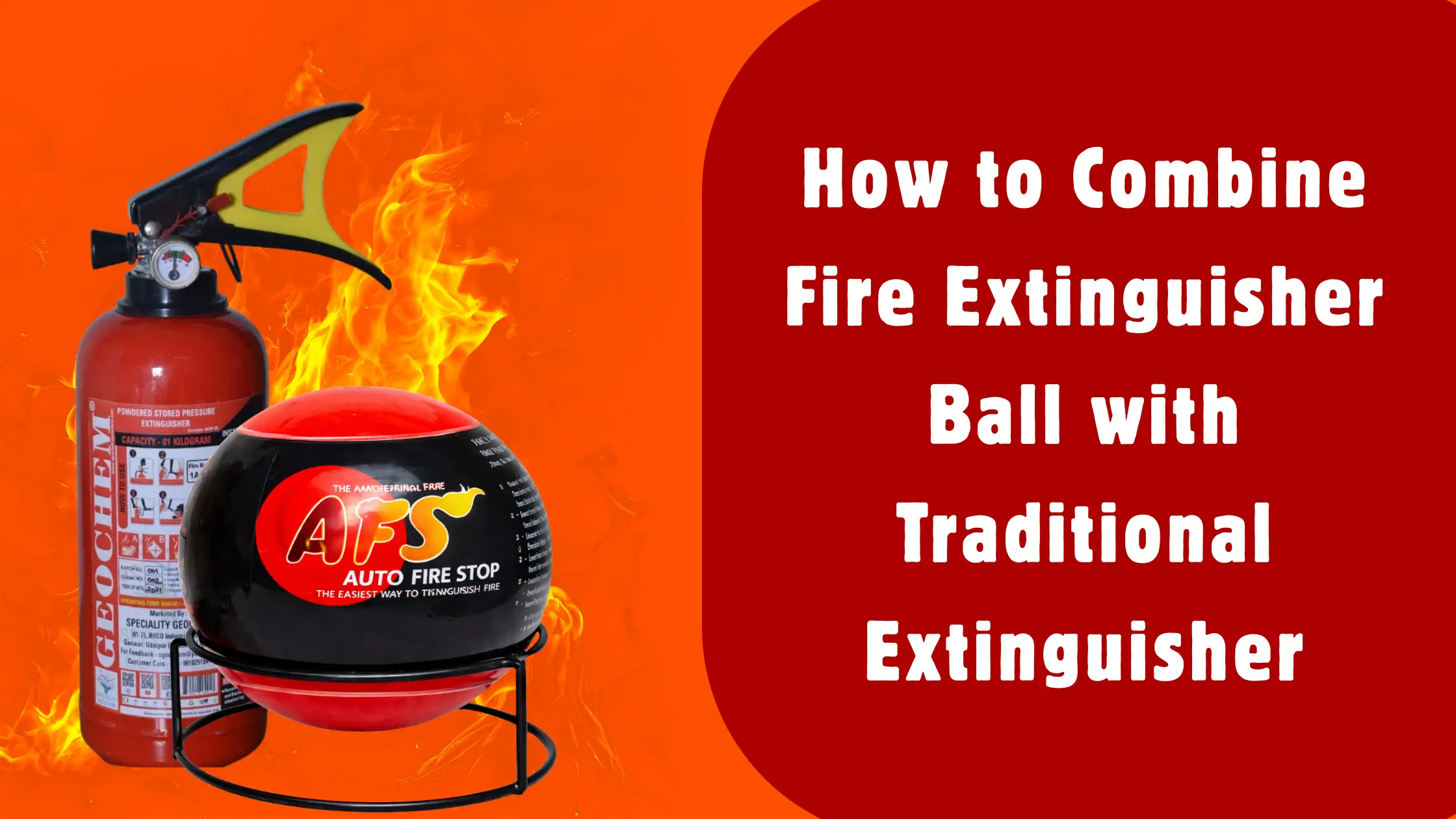
Layered Fire Protection: How to Combine Fire Extinguisher Ball with Traditional Extinguisher
When a fire breaks out, there’s usually no warning and very little time to react. People panic, smoke spreads quickly, and finding a fire extinguisher isn’t always as easy as it sounds. This is exactly why depending on just one fire-fighting tool can leave dangerous gaps in your safety plan.
That’s where layered fire protection comes in.
By combining automatic fire extinguisher balls with traditional manual fire extinguishers, you create a smarter, more dependable fire safety setup. Fire extinguisher balls are designed to activate on their own when flames appear, helping control a fire at its earliest stage. Traditional extinguishers, on the other hand, allow people to step in and tackle the situation once it’s safe to do so.
Together, they work like a team: one responds instantly, the other provides hands-on control. Whether it’s a home, office, warehouse, restaurant, or industrial site, this combination improves response time, reduces damage, and most importantly, protects lives.
In this blog, we’ll walk you through how to use fire extinguisher balls alongside conventional extinguishers, where each works best, and the best practices for building a layered fire protection system that actually performs when it matters most.
Think about everyday places where fires are most likely to start. In a home kitchen, a sudden oil flare-up can spread within seconds. A fire extinguisher ball mounted near the stove can activate immediately, even if no one is standing there, helping suppress the flames before they grow. Once the situation is under control, a traditional extinguisher can be used safely to fully put out remaining hotspots.
In an office or commercial building, electrical fires often start inside panels, server rooms, or cable trays, places that are rarely monitored. Fire extinguisher balls installed in these high-risk zones can respond automatically the moment flames appear, helping control the fire at its earliest stage, even outside working hours. When staff are present, manually operated fire extinguishers placed along exit routes and common areas allow trained personnel to handle visible fire spread safely, without needing to approach enclosed or hazardous electrical points directly.
Now consider a warehouse or factory floor, where fire hazards are higher and distances are larger. Waiting for someone to reach a fire extinguisher can cost valuable time. Fire extinguisher balls positioned above machinery or near storage areas provide instant first response, while traditional extinguishers give safety teams the ability to manage the situation once the alarm is raised.
These real-world scenarios show why combining automatic and manual fire protection isn’t just smart – it’s practical. Each solution covers the other’s limitations, creating a fire safety system that works whether people are present or not.
Why Layered Fire Protection Works So Well in Real Life
When automatic and manual fire protection are used together, they fill the gaps that exist when relying on just one solution. Fire extinguisher balls handle the critical first moments of a fire, while traditional extinguishers support safe human response once the situation is under control.
Immediate action without waiting for people
Safer manual intervention when required
Effective protection in both occupied and unoccupied spaces
Reduced fire spread and property damage
Lower risk for occupants and safety teams
Practical placement that supports real emergencies
This is why layered fire protection isn’t just a smart idea – it’s a system designed for how fires actually happen.
Here is a quick comparison between Fire Extinguisher Balls and Traditional Fire Extinguishers to understand their uses better
| Aspect | Fire Extinguisher Balls | Traditional Fire Extinguishers |
| Activation | Automatic when exposed to flames | Manual operation by a person |
| Response Time | Instant, no human action needed | Depends on how quickly someone reacts |
| Best Used In | High-risk, unattended areas | Accessible areas with trained staff |
| Human Safety | No direct exposure to fire | Requires safe approach to the fire |
| Works After Hours | Yes | No |
| Fire Control Role | Early-stage fire suppression | Follow-up and controlled extinguishing |
| Skill Required | None | Basic training recommended |
Why Using Both Makes Sense
Fire extinguisher balls handle the critical first seconds, while traditional extinguishers provide hands-on control when it’s safe to act. Together, they form a layered fire protection system that works in real conditions, day or night, occupied or unoccupied.
Final Thoughts: Build Smarter, Layered Fire Protection
Fire safety works best when it’s designed for real-life situations, not ideal ones. By combining automatic fire extinguisher balls with traditional fire extinguishers, you ensure faster response, safer intervention, and protection whether people are present or not. Each solution plays its role, covering gaps the other cannot.
If you’re planning a more reliable fire safety setup for your home, office, or industrial space, layered protection is a practical step forward.
👉 Learn more about Automatic Fire Extinguisher Balls by Speciality Geochem and how they fit into modern fire safety systems on our main page
A well-planned fire protection system doesn’t just react to emergencies – it prepares for them.